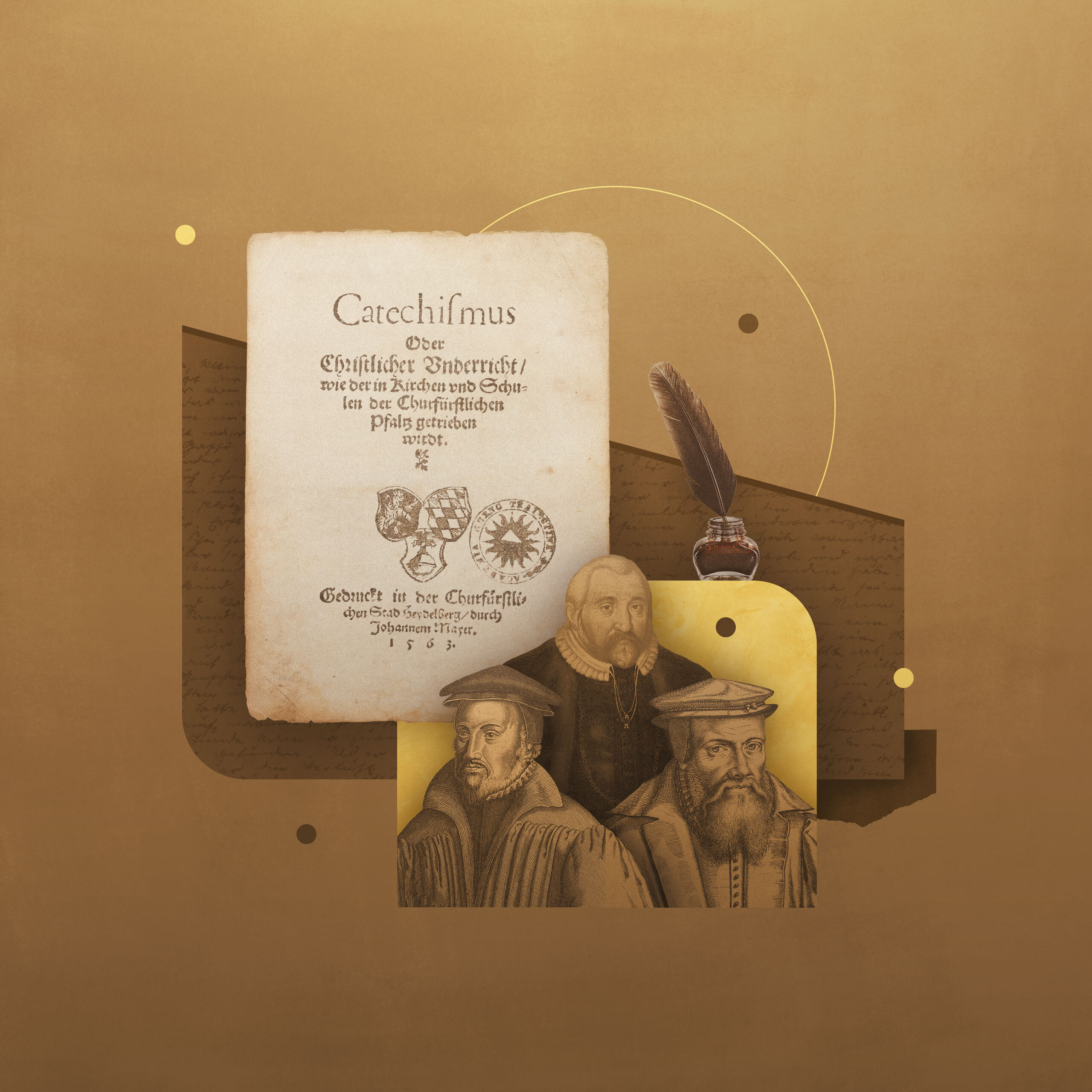
How Did We Get the Heidelberg Catechism?
Historian Philip Schaff said of the Heidelberg Catechism (1563): > It is fresh, lively, glowing, yet clear, sober, self-sustained. The ideas are Biblical and orthodox. . . . Altogether the Heidelberg Catechism is more than a book, it is an institution, and will live as long as the Reformed Church. That’s high praise from a history lover. But should this old document excite modern people? Perhaps its story can tell us something about its contemporary value. Like all catechisms, the Heidelberg is an ancient teaching tool, often employed by Scripture (Mic. 6:8; Mark 8:29, 36–38), that uses questions and answers to convey truth. And when it was written, fifty years into the Protestant Reformation, people needed good answers. Many weren’t sure about such vital matters as the authority of Scripture, the sufficiency of Christ, the relation of faith and works, and the nature of the church. The Roman Catholic Council of Trent (1545–1563) had just enshrined anti-reformation teaching, and ref
Read Full Article →feeds.ligonier.org
Shared via QuestWell